Why Choose Pilgrim
Choosing a school for your child and family is such an important decision. A child's well-being and academic success can be supported by so many different facets that a school might offer. At Pilgrim, we believe that academics and social and emotional learning are equally important and mutually enhancing.

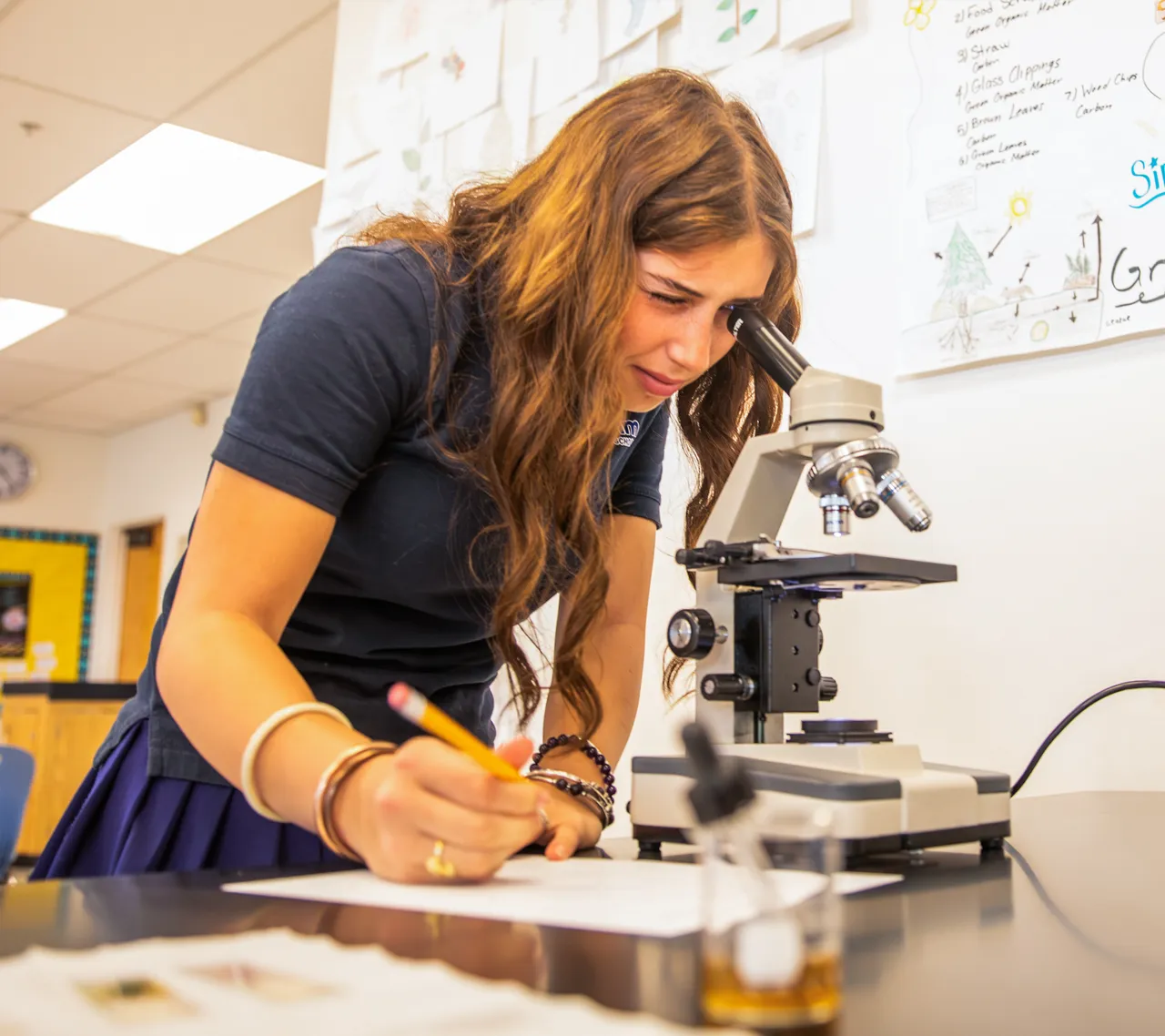
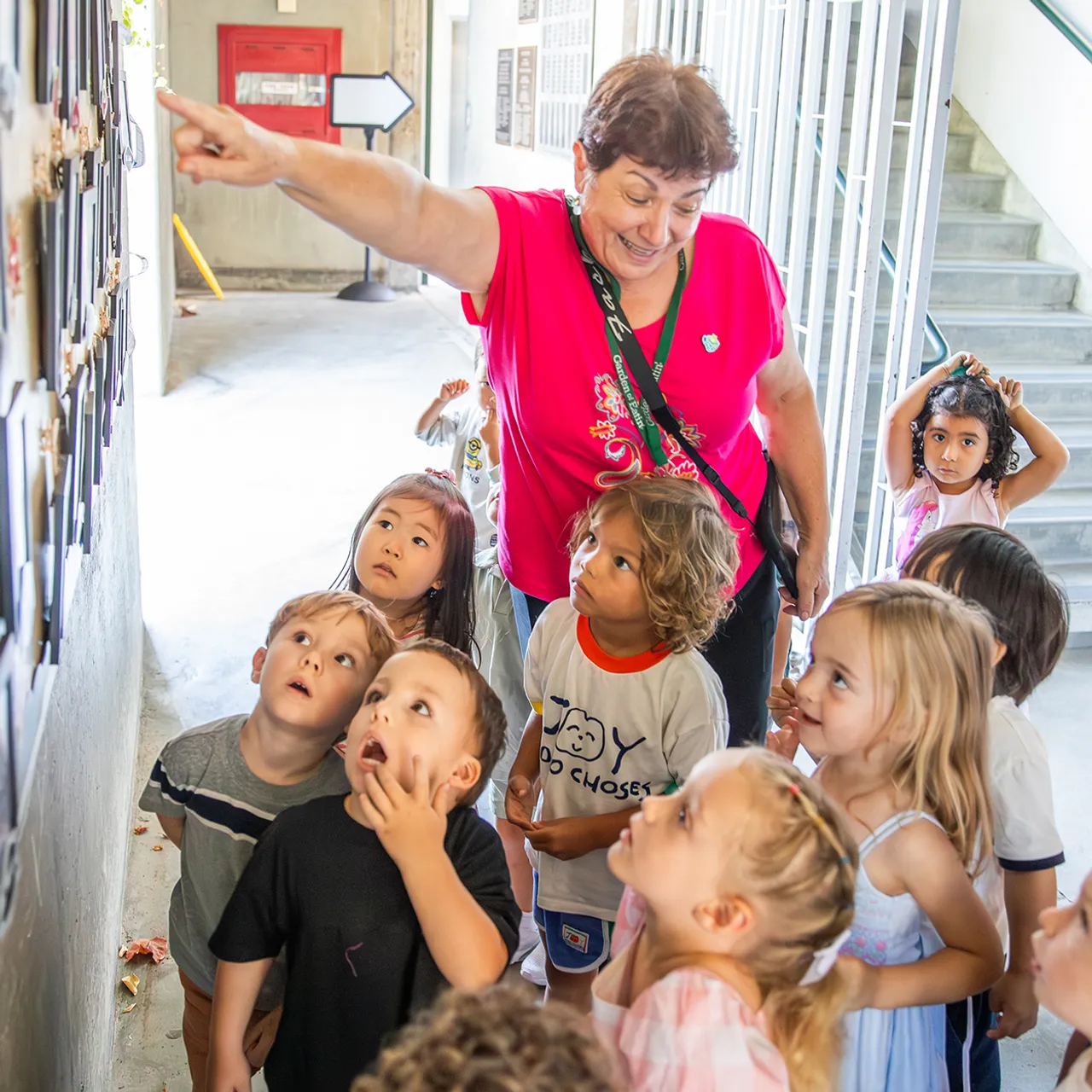
At Pilgrim, we see each child for who they are as well as who they are becoming. Small class sizes, dedicated faculty, and individualized mastery-based learning strategies ensure that we know each student in this way, in a way that nurtures and drives them at every step in their academic path.
Our commitment to small class sizes allows teachers to tailor instruction to meet the needs of their students, offering extra support where needed or providing advanced materials to challenge those who are excelling. Every student is unique, and we take pride in knowing each one as an individual.
Our Approach
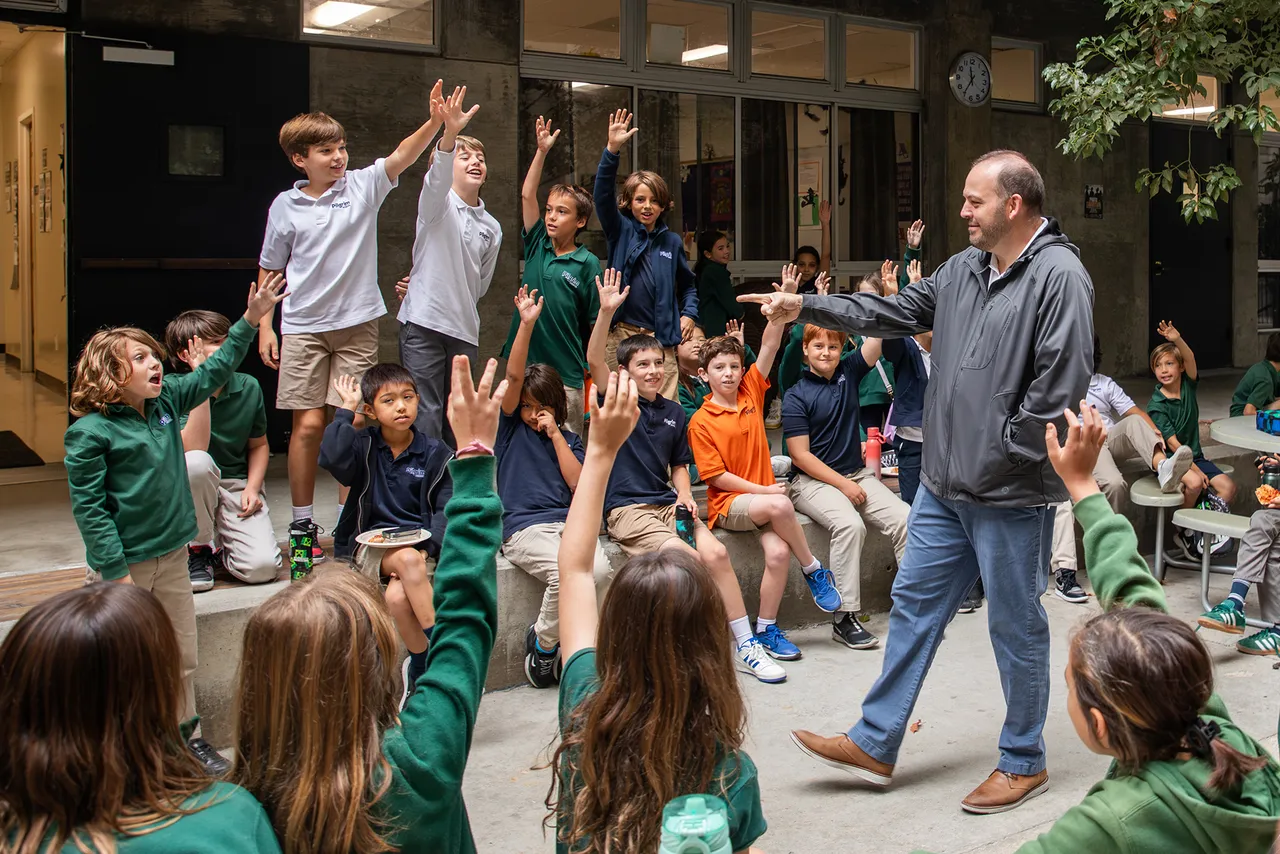
The Student Experience
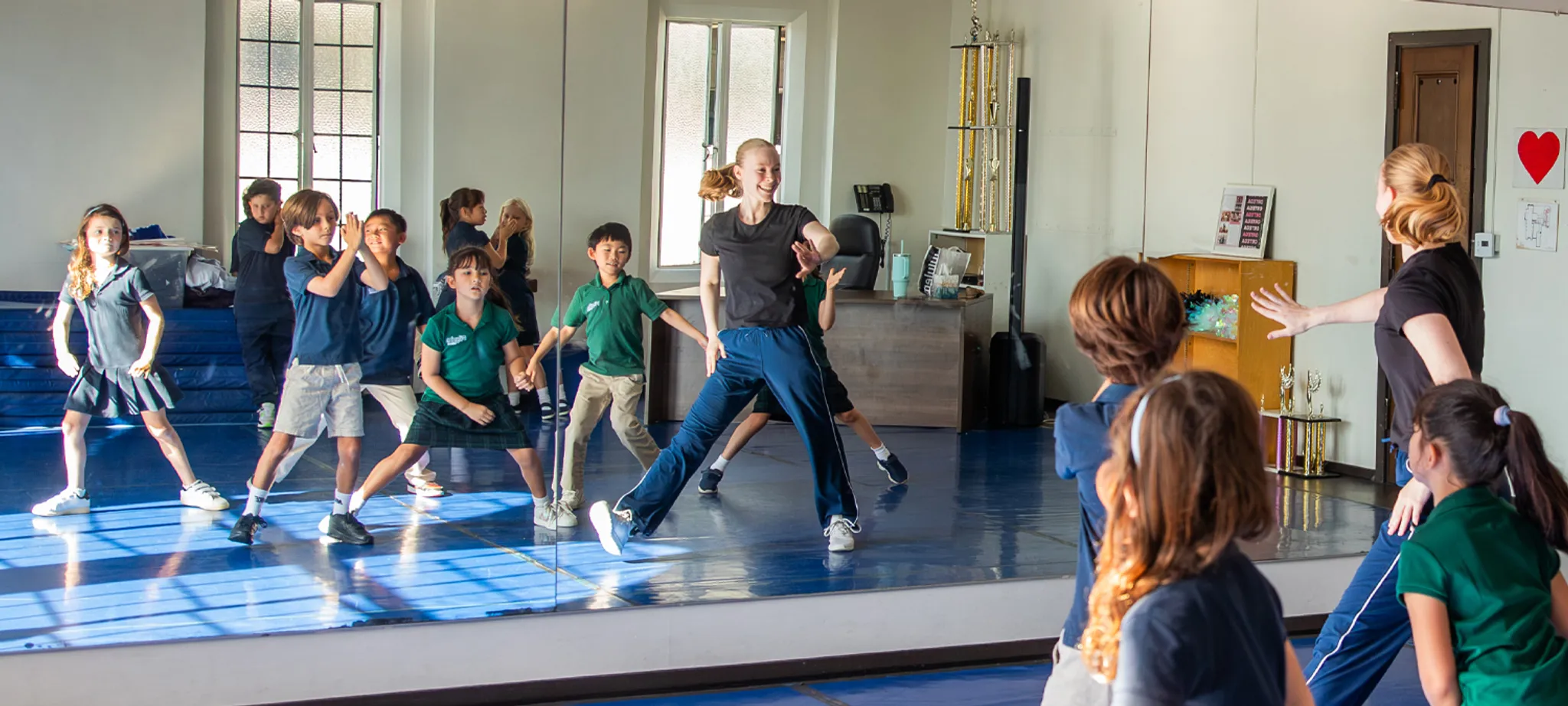
Pilgrim embraces the significance of providing students with opportunities to delve into passions and interests that extend beyond the academic curriculum. We offer an impressive array of course electives, clubs, and extracurricular activities designed to empower students to discover and nurture their unique talents while acquiring valuable new skills. In addition to extensive course electives, our middle school and high school Associated Student Body offers students the chance to build leadership skills, serving as the official voice of the student body and communicating student opinions and concerns to the school administration and other stakeholders.
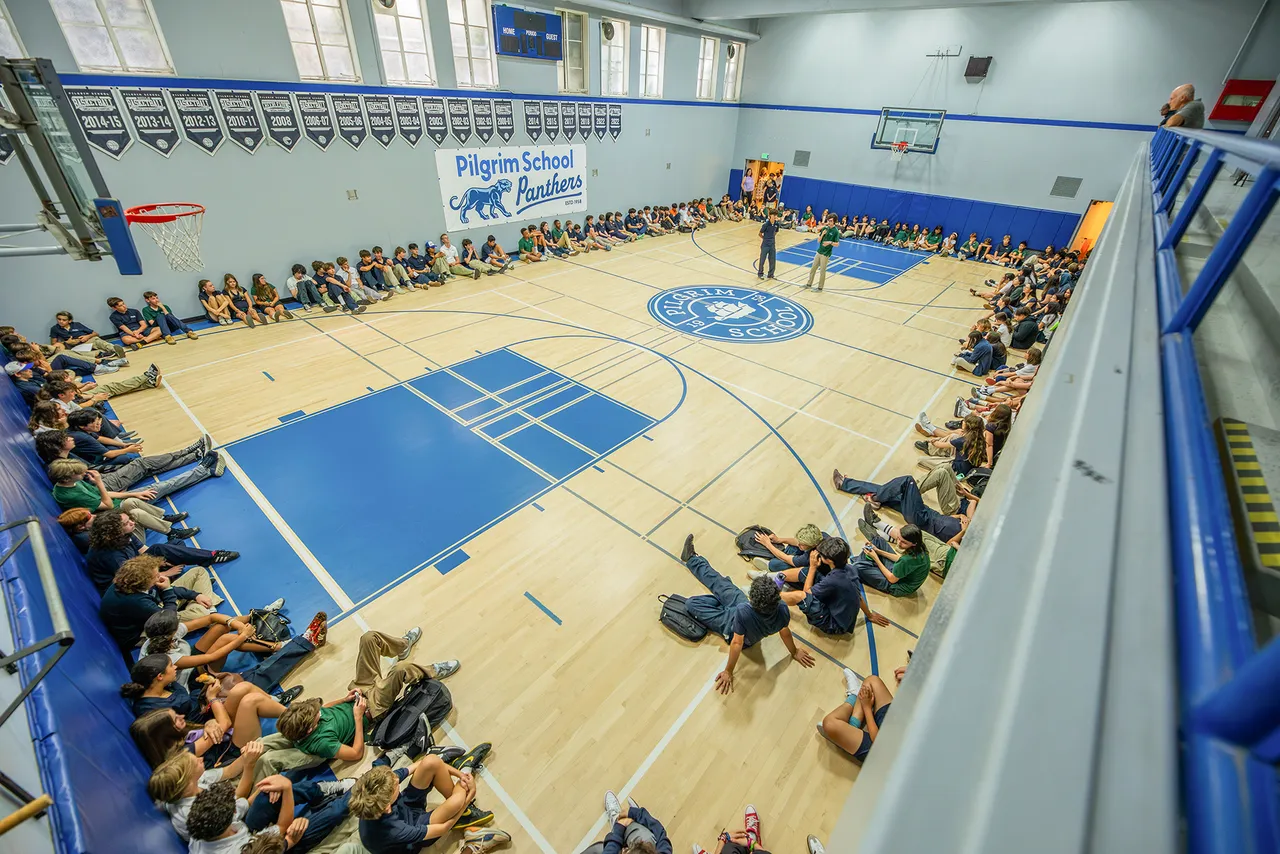
Experiential Education
Each year, Pilgrim Secondary School students embark on grade-level trips that blend outdoor exploration, cultural immersion, and hands-on learning. These unforgettable experiences are more than just a tradition; they’re an exhilarating extension of the classroom designed to ignite independence, strengthen friendships, and deepen real-world understanding across a variety of subjects. From outdoor activities such as surfing, camping, and hiking to historical explorations in Washington, DC to college visits across the United States, each grade has the opportunity to learn outside of the classroom and create memories of a lifetime.
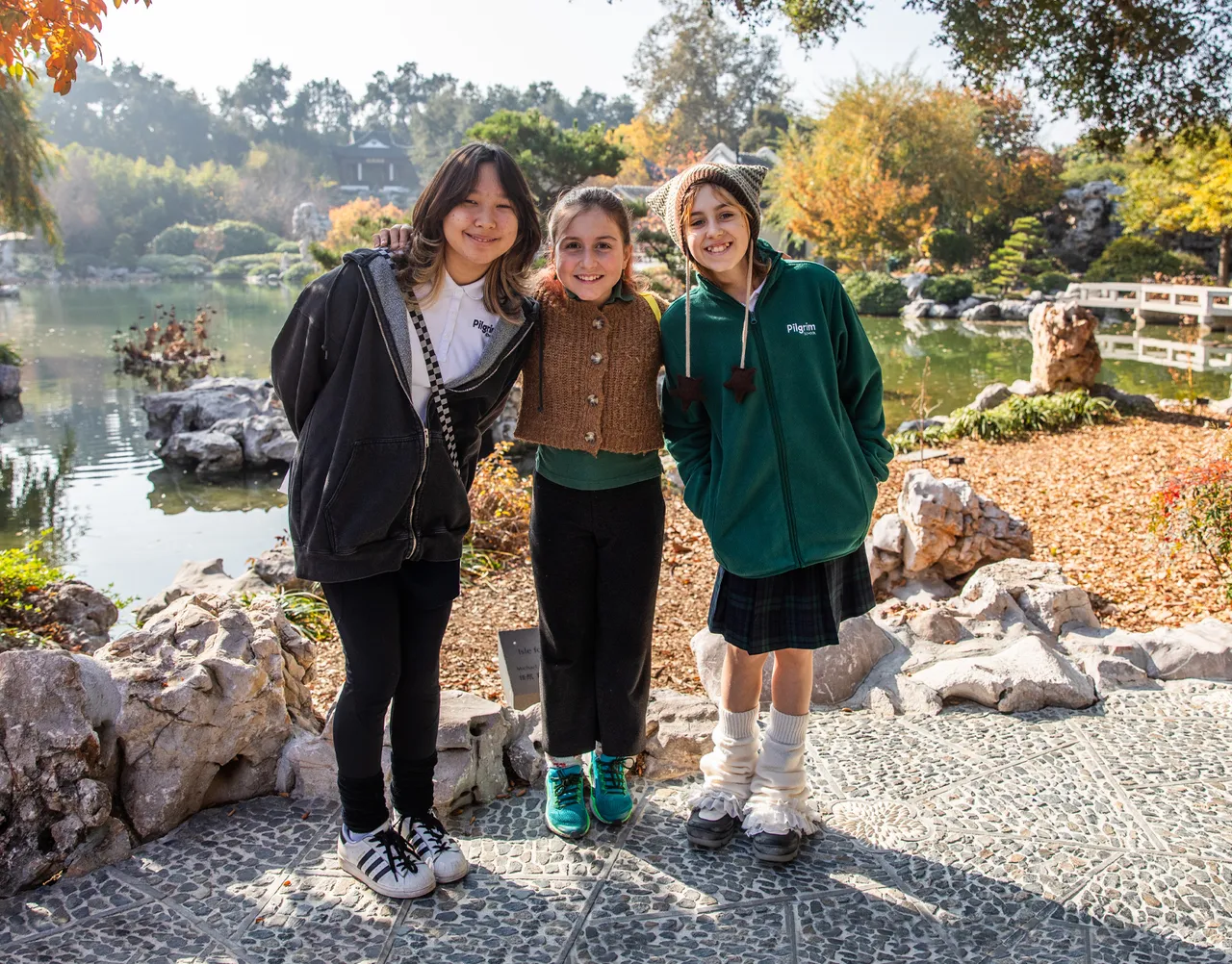
Community
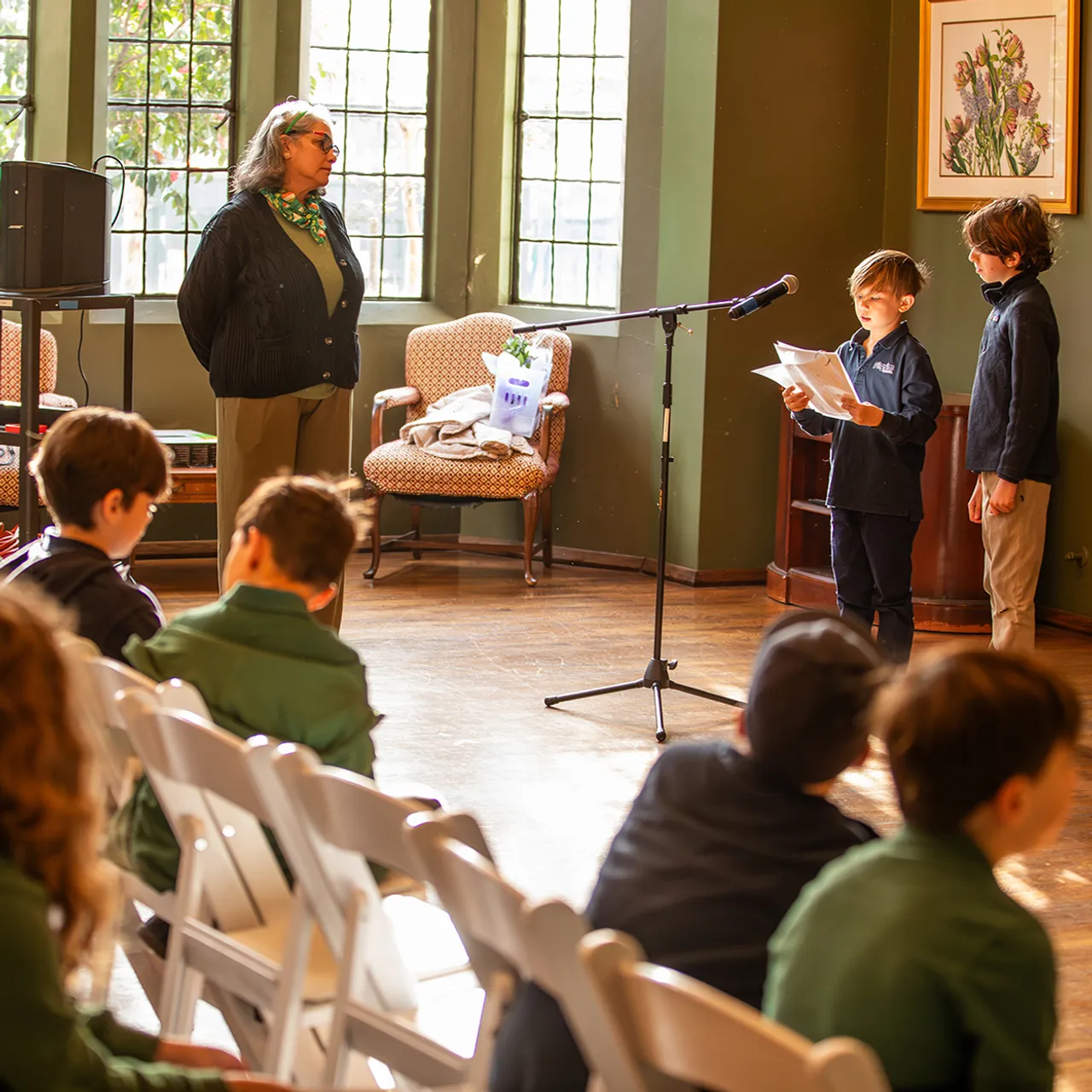
Pilgrim School is a close-knit, down-to-earth, and culturally diverse community where collaboration and mutual respect are at the heart. The school fosters an environment where families, faculty, and staff come together as essential parts of our community. The Pilgrim Parent Association (PPA) hosts many events throughout the year that bring families together in support of the school, fostering lifelong connections with one another.
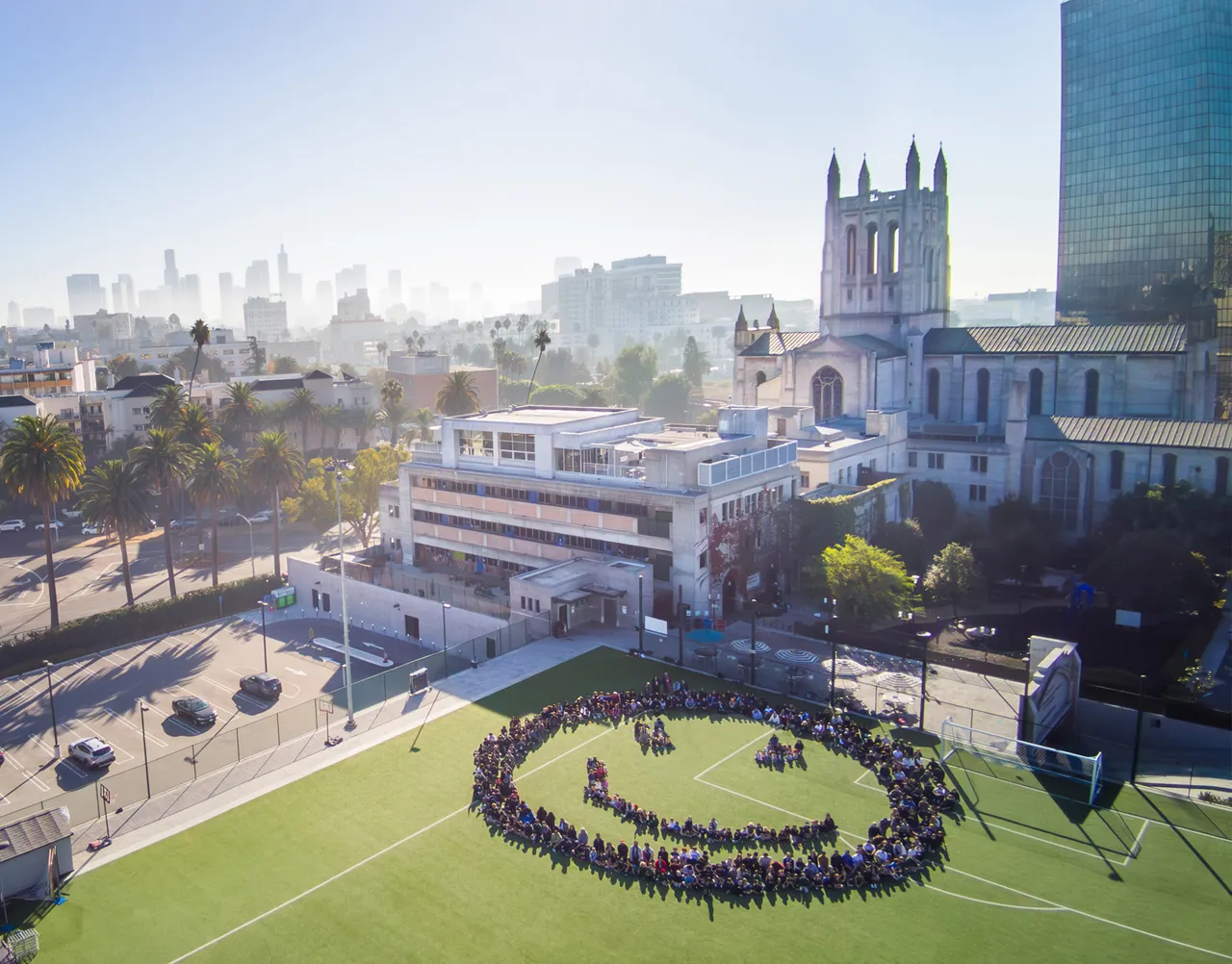
College Planning
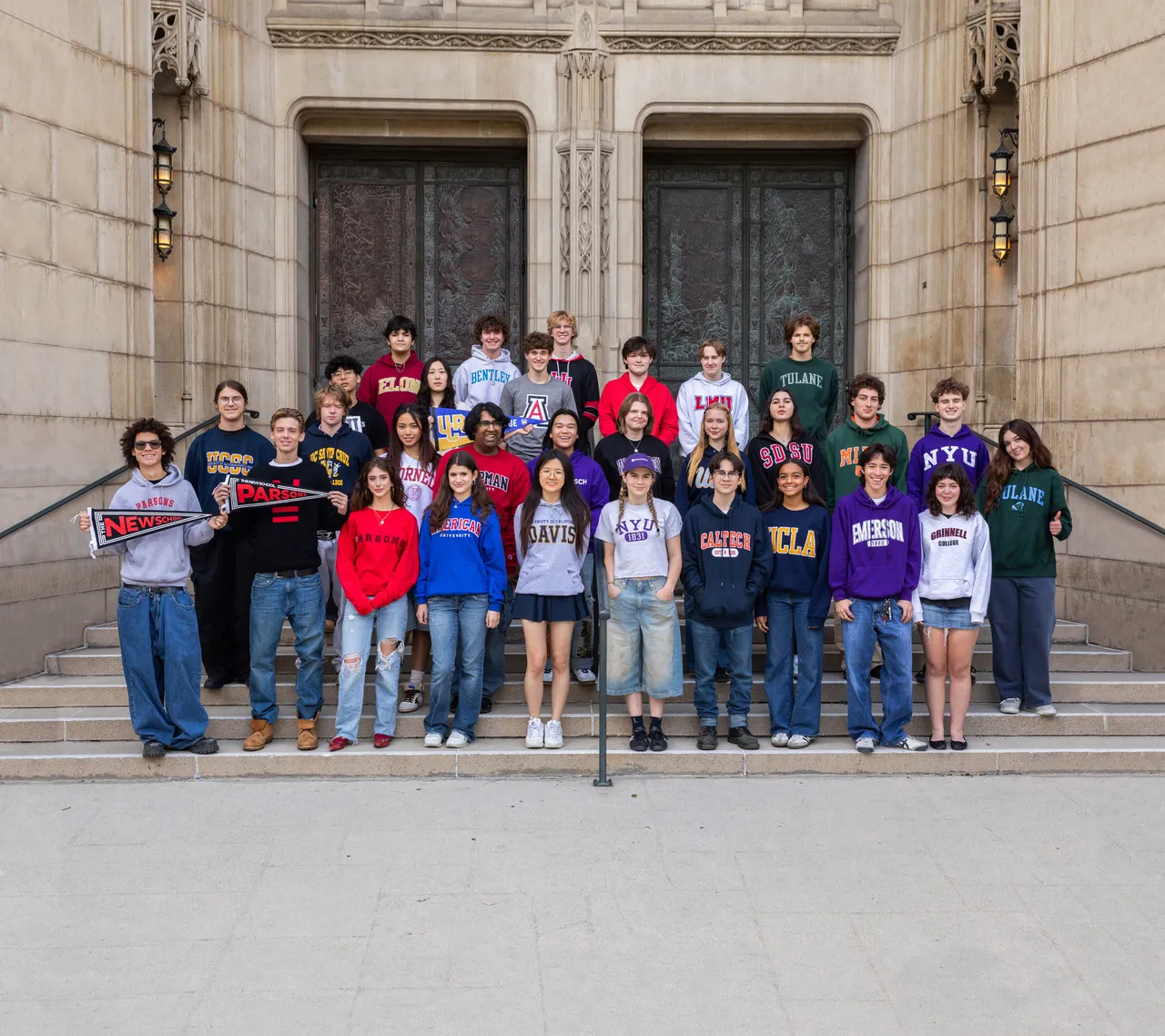
College planning at Pilgrim is a personalized, student-centered process focused on helping students identify individual goals and pathways to achieve them. College planning is not simply limited to selecting suitable colleges; the emphasis is placed on finding purpose and preparing each individual for their future. Throughout their four years in high school, students work with our dedicated Director of College Planning to explore, reflect on, and engage with who they are. By their senior year, our students are well-prepared to pursue their ideal college fit, based on their academic profile, aspirations, talents, and interests.
Mastery-Based Learning
Mastery-based learning extends beyond traditional testing; it empowers students to take ownership of their learning and exercise agency in the classroom. Mastery-based means students not only know what they are learning, but also why they are learning it. Students know where they are on the learning journey, and, through regular feedback provided by instructors, they know what they need to do to succeed. Traditional grading systems require students to accumulate points and complete specified quantities of work to earn a grade. The focus in that system is on the grade, not on the learning. At Pilgrim, a student’s grade is based on their cumulative mastery and knowledge of a subject, as measured by learning targets, rather than simply the accumulation of points on a scale.